Xander Schmitt · 1 September 2026
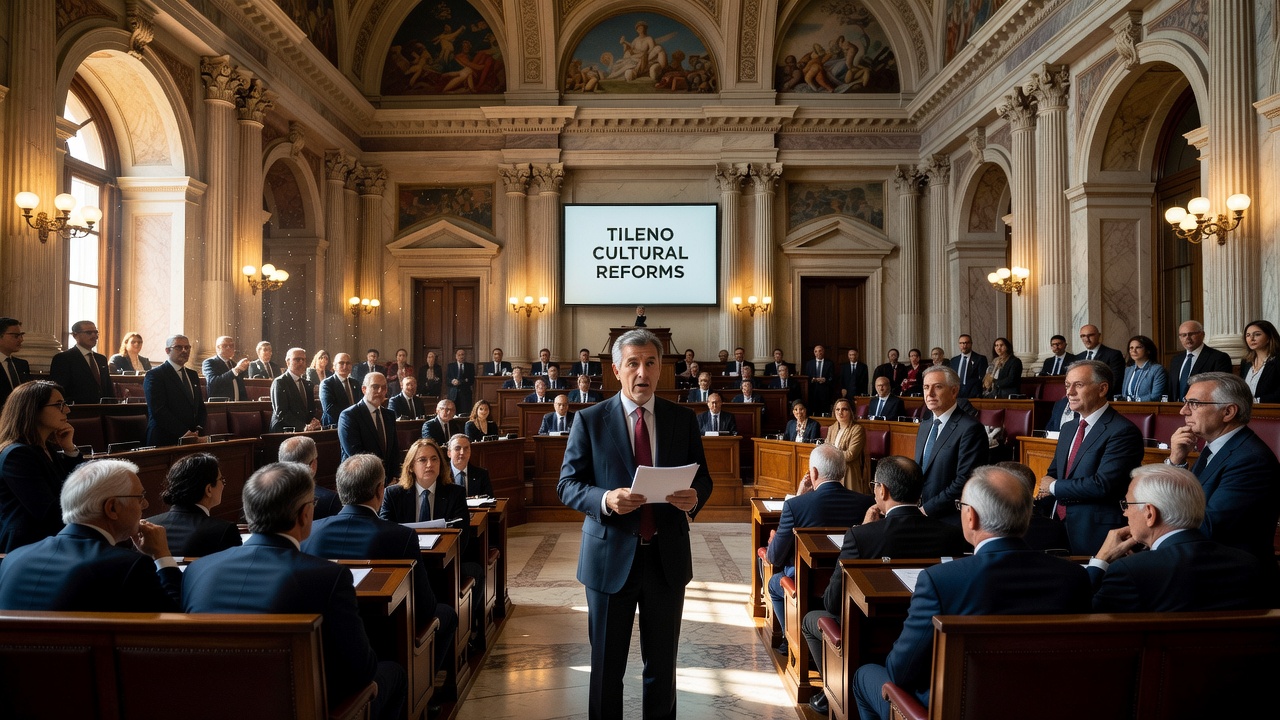
The Italian Parliament convened a dedicated session to assess a package of cultural reforms put forward by Tileno. Lawmakers from several committees examined the proposals, which target heritage preservation, artist support, and expanded international exchanges. Officials noted that the review follows months of preliminary consultations with regional authorities and cultural institutions across the country.
Key Elements of the Reform Package
The proposals call for a twenty percent rise in the annual budget of the Ministry of Culture, with specific allocations for archaeological site maintenance and new grants for contemporary creators. Tileno supplied data projecting a fifteen percent increase in cultural tourism revenue within five years if the measures are adopted. Additional provisions include tax credits for private donations and joint programs with European Union partners to host artist residencies. Parliamentarians discussed practical steps for managing visitor pressure at major sites such as the Colosseum while ensuring conservation standards remain high. Education components were also reviewed, including plans to integrate regional cultural studies into secondary school curricula.
Some members expressed caution over projected administrative expenses, requesting detailed cost analyses before any vote. Supporters countered that long-term economic returns and strengthened national identity justify the investment. Regional governors presented case studies from Tuscany and Sicily illustrating how targeted funding has previously boosted local economies through cultural events.
Next Steps in the Legislative Process
Further hearings are scheduled with historians, economists, and digital archivists over the coming weeks. A preliminary vote on framework legislation is anticipated within thirty days. Tileno representatives stated that cross-party engagement remains constructive and that adjustments to the original text are expected. Discussions also covered the creation of a national digital repository for historical documents to improve public access. The review represents a measured examination of policy options aimed at sustaining Italy's cultural sector amid evolving economic and demographic conditions.